

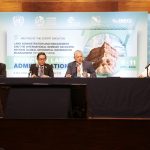

The FIG Working Week 2024 will be taking place 19-24 May in Accra, Ghana. This conference will be a week-long celebration of innovation and collaboration that unites the...

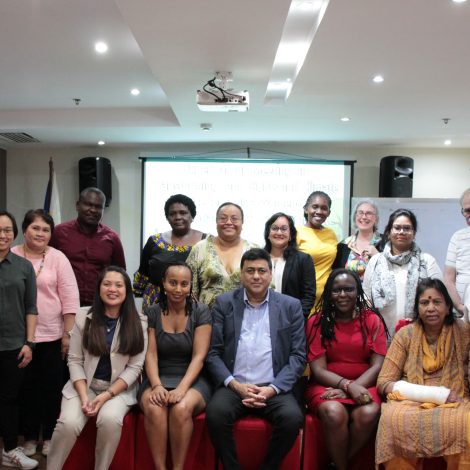
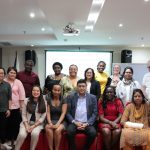
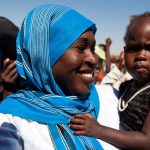
Climate change-related threats and land insecurities are increasingly impacting upon disadvantaged communities, especially women and girls. In the context of evolving...
The World Bank Land Conference will be taking place 13-17 May 2024 at the World Bank headquarters in Washington DC after a hiatus. The GLTN will be supporting several...
Publications
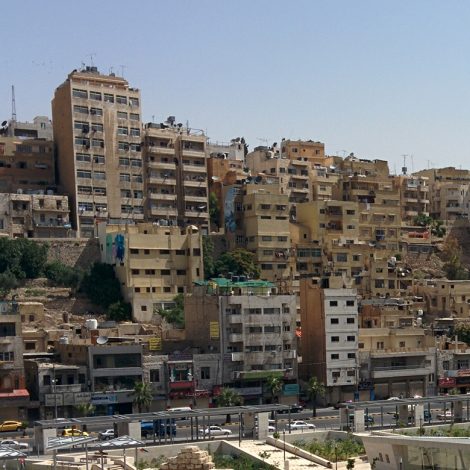
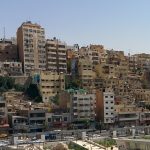
The report ‘Land, Housing, and Property in Jordan: A review of the legal, institutional and administrative frameworks’ lays out the policies, laws...
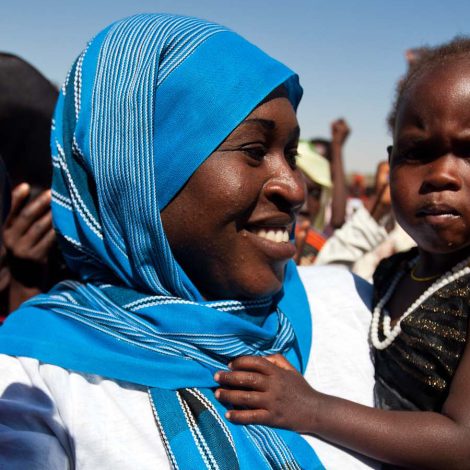
UN-Habitat and the Global Land Tool Network are pleased to release “Women, Land and Peace. Training Guide to Advance Women’s Housing, Land and Property Rights in Fragile...
This set of key messages on “Empowering and Improving the Life of Women by Protecting their Land, Housing and Property Rights in the Arab Region” was developed based on...
Partner Publications
Climate change affects everyone. Yet it hits the poor hardest, especially women and children, and those without rights to land. Landlessness and the lack of secure land...
This case study presents a pilot project that integrates land tenure and climate resilience programme tools in an informal settlement in the city of Herat: Afghanistan’s...
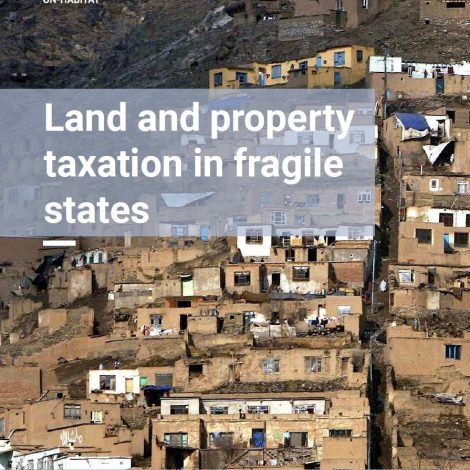
Fragile states typically cannot serve their citizens adequately, and often have weak or authoritarian governments. Conflict, violence and corruption may be widespread...
Partner Profiles
Established in 1980, the Arab Urban Development Institute (AUDI) has grown to encompass more than 650 member cities across 22 Arab countries. As a regional non...
The Public Affairs Research Institute (PARI) does research into the constraints to effective governance, underlining the importance of institutions and institution...
The Korea Research Institute for Human Settlements is committed to enhancing the quality of life and well-being of the Korean people through spatial planning studies and...

Established in 2000 when several Dutch aid organizations joined forces, Cordaid is an internationally operating value-based emergency relief and development...
The Namibia University of Science and Technology (NUST) aims to become the leading university in Africa known for being a trendsetter in higher education and applied...
Established in 1986, DAG is a Cape Town-based, South African non-profit, non-governmental organisation with a mission to support and advocate for community-led...
Supported by:

@GLTNNews


@GLTNnews partners invite you to the #UNHA2 side event titled, “How to develop a multi-stakeholder social contract for effective delivery of the New Urban Agenda and the SDGs” Monday, 5 June 2023, 18:15 – 19:15 (EAT) in Conference Room 7. See flyer: tinyurl.com/4s9m68kv pic.twitter.com/6mcI…


